Pencil Sketching Fundamentals for Beginners
Master grip, pressure control, and basic shading. Learn how to hold your pencil properly and build foundational skills.
Discover how to observe and render the flowers you find in Latvian forests. We'll walk through techniques for accuracy, bringing out natural beauty, and capturing what makes each wildflower unique.
Botanical illustration isn't just about creating pretty pictures. It's about really seeing the plant in front of you. When you commit to drawing a wildflower accurately, you notice details you'd normally miss — the way petals overlap, how many stamens are actually in the center, the texture of the stem.
Latvia's wildflowers are spectacular. We're talking about delicate lady's slippers in pine forests, vibrant wood cranesbill in meadows, and rare edelweiss on rocky slopes. Each one has distinct characteristics that make it worth observing closely. And that's where botanical illustration comes in.
You don't need expensive materials or years of training. You'll be surprised how much you can achieve with basic colored pencils, a sketchbook, and genuine curiosity about the flowers around you.
The first step is finding flowers worth drawing. Spring and early summer are peak seasons in Latvia — that's when you'll see the most variety. Meadows near Rīga's edges, the Gauja Valley, and coastal areas near Liepāja are all good hunting grounds. But honestly, you don't need to travel far. Parks, gardens, and even roadsides have interesting specimens.
When you find a flower you want to draw, spend time just looking at it. Walk around it. Note how light hits the petals. Count the number of sepals, petals, and stamens. Check if the leaves are opposite or alternating on the stem. This observation phase is crucial — it's what separates a generic flower sketch from an actual botanical illustration.
Pro tip: Bring a small magnifying glass when you're out looking. You'll spot details that transform your drawings. Hairs on a stem, tiny notches on leaf edges, the pattern inside flower centers — these details make illustrations come alive.
If you're picking flowers to bring home, choose ones that are fresh but not brand new — flowers a day or two into blooming hold their shape better during your drawing session. You'll typically have 2-4 days before wilting becomes an issue.
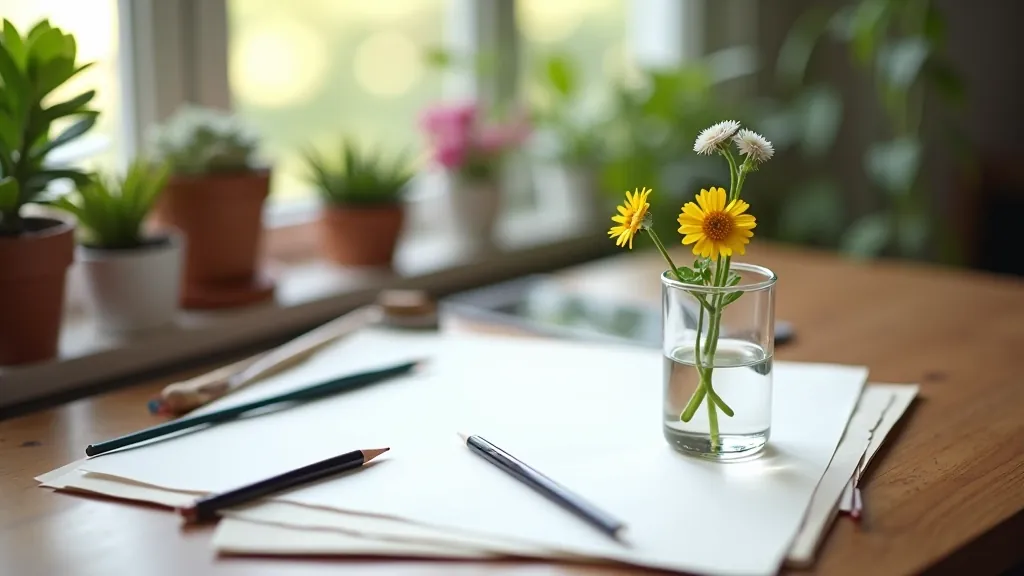
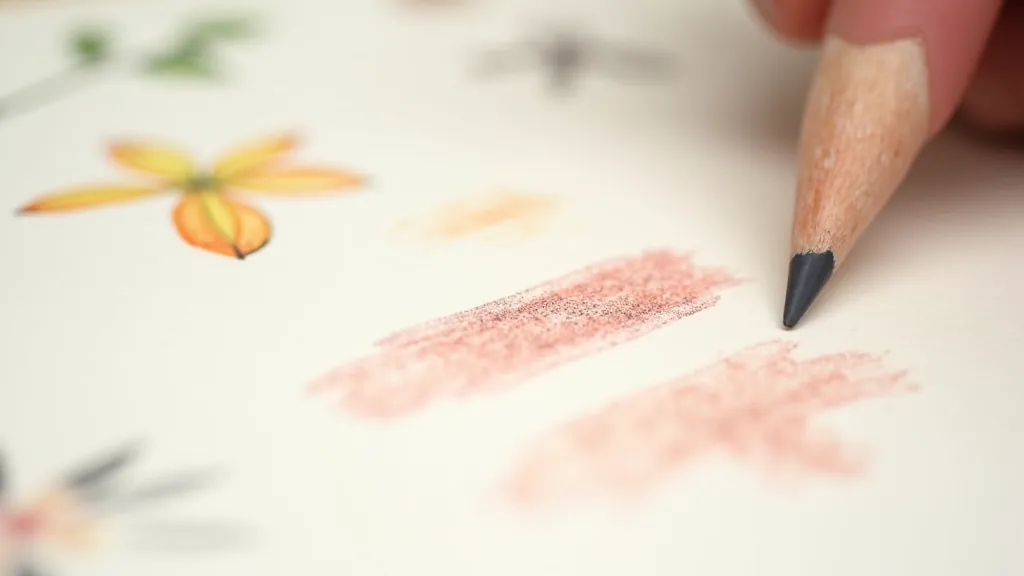
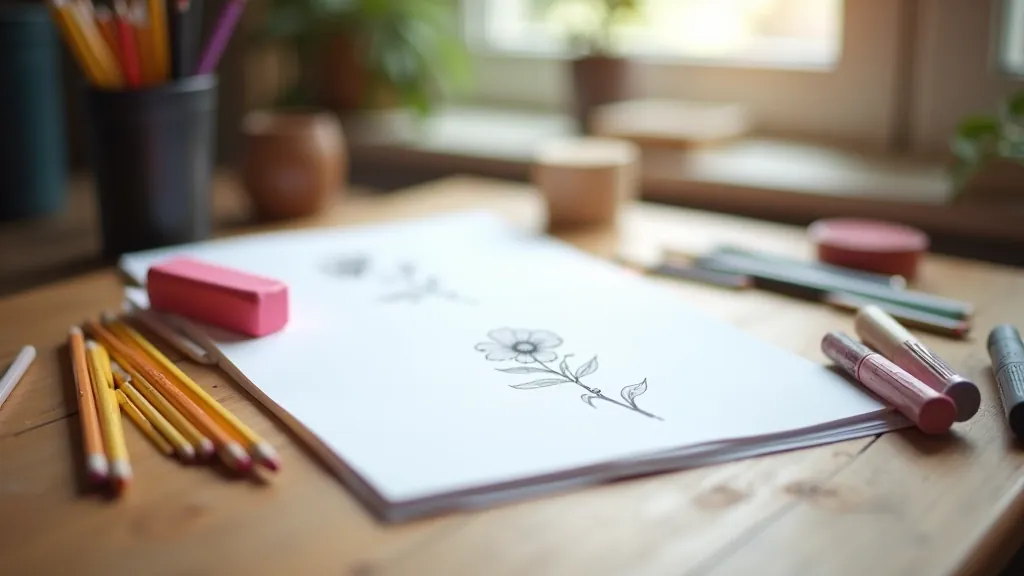
Accuracy starts with good observation, but technique matters too. You'll want to use light lines when sketching the initial structure. Don't commit to dark lines right away — you'll need to adjust proportions as you work. The overall outline should capture the essence of the flower's shape before you add details.
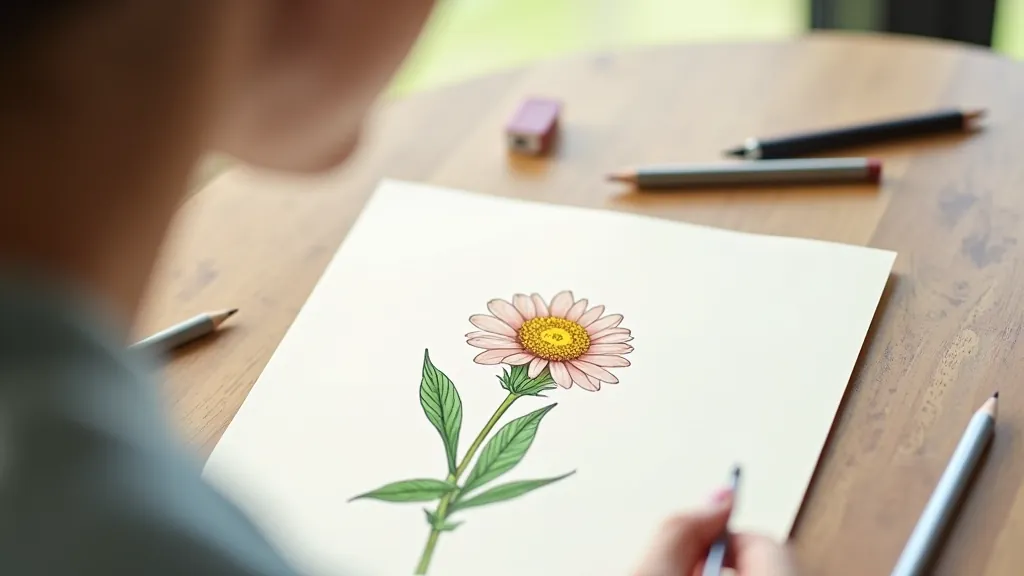
Colored pencils are ideal for botanical work because you can layer them. Start with light colors, then add darker shades on top. This approach gives you control and allows you to build depth gradually. Most Latvian wildflowers have delicate coloring, so you're not looking for harsh contrasts — it's more about subtle transitions.
Key technique: Work from the center outward. Draw the flower center first, then petals, then the stem and leaves. This prevents accidentally smudging finished areas as you rest your hand.
Pay attention to how light affects different parts of the flower. Petals facing the light will be brighter. Those in shadow should have subtle darker tones. Don't make shadows black or gray — use darker shades of the actual petal color. A deep blue shadow on a blue petal looks far more natural than a gray shadow.
The difference between a decent flower drawing and a true botanical illustration is attention to specific details. You're not just drawing a flower — you're documenting it. Include variations in petal texture, the structure of the stamens, how the leaves attach to the stem, even the small hairs that might cover a leaf or stem.
Latvian wildflowers often have interesting leaf structures. Lady's slipper has distinctive pleated leaves. Wood cranesbill has deeply divided leaves that require careful observation. These features are what make botanical illustrations valuable — they're records of how the plant actually looks.
Include a stem section with realistic proportions. Don't shrink the stem just to fit it on the page. If a stem is thick and slightly fuzzy, show that. If it's thin and smooth, show that instead. These aren't decorative choices — they're botanical facts worth documenting.
Detail checklist: Petal veins, stamen structure, leaf edges (smooth or serrated?), stem texture, and any distinguishing marks like spots or color variations.
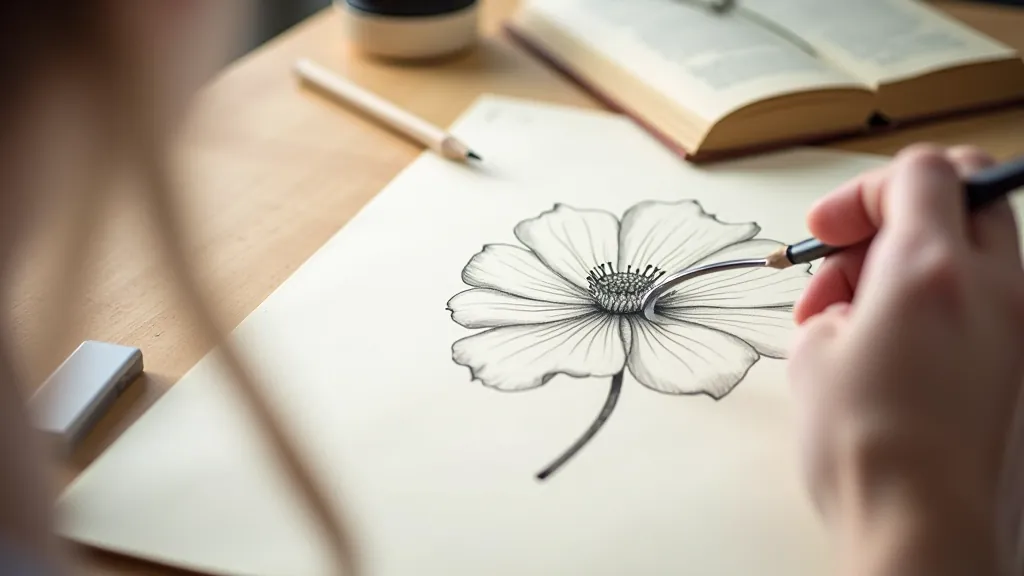

Here's where botanical illustration shifts from accurate documentation to something beautiful. You're not just recording facts — you're celebrating the actual colors and forms of Latvian wildflowers. These plants are genuinely stunning, and your job is to show that.
Use a cream or slightly off-white paper instead of bright white. Wildflowers look better against warmer backgrounds. Avoid harsh outlines. Instead, let the color transitions define the flower's edges. A petal outlined in black looks flat and artificial. A petal where colors naturally transition to the background looks alive.
Don't be afraid to spend time on this. Botanical illustration isn't quick work. A proper illustration of a complex flower might take 4-6 hours spread over a few sessions. You're building layers of color, adjusting tones, and refining details. That investment of time is what separates amateur sketches from illustrations worth keeping and sharing.
Your finished illustrations become records of Latvian wildflowers. They document not just what these plants look like, but how you saw them — with care and attention and genuine appreciation for their complexity.
This article provides educational information about botanical illustration techniques and observing Latvian wildflowers. While we've included general guidance on flower identification and drawing methods, this isn't a substitute for professional botanical education or field guide resources. For precise species identification, consult local botanical guides or expert naturalists. Always respect protected plant species and local conservation regulations when collecting or observing wildflowers in Latvia.